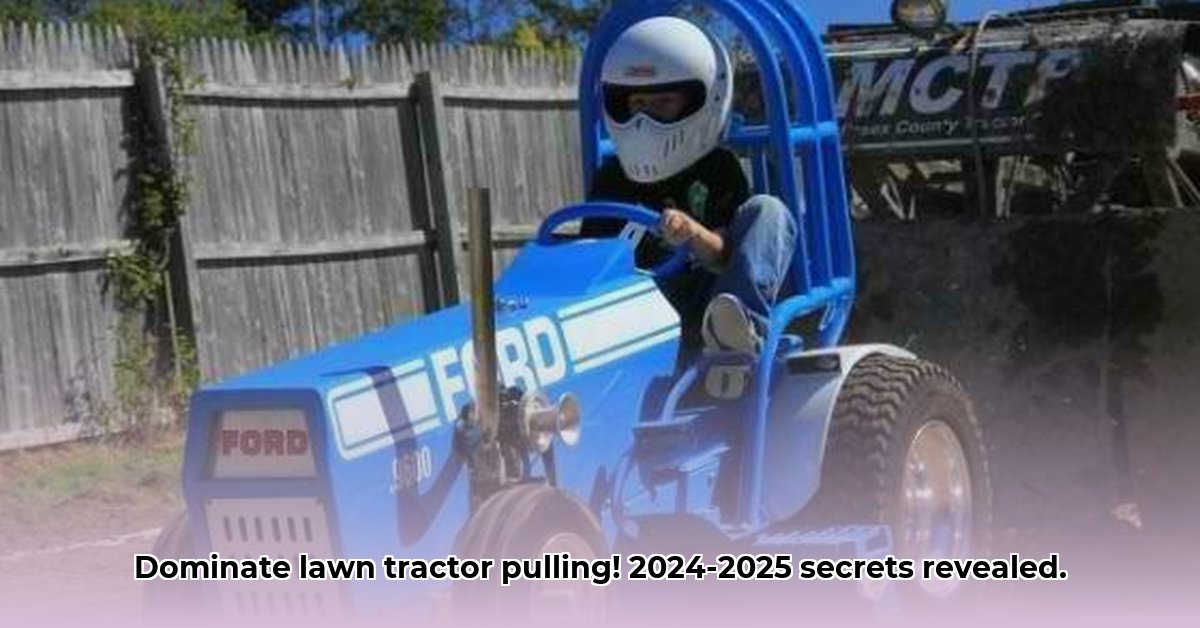
Garden tractor pulling: it's not your grandpa's lawn mowing! This exciting motorsport blends horsepower and strategy, attracting competitors and fans alike. But winning requires more than just a powerful engine; it's a game of skill, knowledge, and adhering to the ever-evolving rules. National organizations, like the (fictional example) National Garden Tractor Pulling Society (NGTPS), establish guidelines, while groups like Cox Pulling (another fictional example) organize local events and foster community spirit. For detailed rules, check out the official rules. Ready to get your hands dirty (and your tractor really dirty)?
Understanding the 2024-2025 Competitive Landscape
The world of competitive lawn tractor pulling is dynamic, a mix of seasoned veterans and enthusiastic newcomers continually pushing the boundaries. Think NASCAR, but with significantly more mud. Different classes, categorized by engine size and modifications, create a diverse and exciting field. Some competitors prioritize raw power, others focus on efficient designs, and yet others excel in driving skill.
The key players extend beyond the drivers themselves. Engine builders, mechanics, and event organizers all play crucial roles. It's a tight-knit community, often characterized by mutual support, but on race day, it's every competitor for themselves. The significant changes introduced in 2024-2025 will undoubtedly shake things up.
2024-2025 Rule Changes: What's New on the Track?
The 2024-2025 season introduces substantial rule modifications affecting engine types, driver protection, and competition classes. Let's examine these key changes:
Engine Modifications:
Stricter regulations on carburetor types and engine modifications are in effect. Some previously permitted engines are now banned. This necessitates creative solutions from engine builders to maximize horsepower while adhering to the new rules. This fosters innovation and strategic engine building.
Safety Enhancements:
Driver safety remains a paramount concern. New rules mandate reinforced roll cages and stronger seat restraints. Track safety improvements include clearer guidelines for track preparation and maintenance.
New Class Structure:
A new Pro V-Twin (Heads-Up) class has been added, aiming to broaden participation and inclusivity. This addition will likely intensify competition within existing classes as well.
Safety First: Protecting Yourself and Others
Safety in tractor pulling is paramount. Neglecting safety protocols is not only risky but also dangerous, jeopardizing drivers, pit crews, and spectators. Everyone involved must prioritize safety.
Pre-Race Inspection:
A thorough pre-race inspection is mandatory. This includes checking brakes, steering, safety harnesses, and all modifications.
Driver Training:
Professional driver training is essential. This encompasses track conditions, emergency procedures, and safe driving techniques—a well-trained driver is a safer driver.
Track Conditions:
Proper track maintenance is crucial. The track surface must be level, free of debris, and properly prepared to prevent accidents.
Building a Winning Tractor: A Guide to Success
Winning requires a finely tuned machine and a clever racing strategy—a blend of raw power and smart decision-making.
Engine Building:
Careful consideration of engine builds within the new regulations is crucial. Engine optimization is key; make every horsepower count. Experimentation and data analysis are vital for success.
Race-Day Strategy:
A well-defined race-day strategy is essential. Knowing when to push your machine to its limits and when to conserve power is critical. Observe competitors and adapt your strategy as needed.
Data Analysis:
Leverage all available tools for a competitive edge. Track data, engine performance data, and competitor analysis provide valuable insights. Effective data utilization can be decisive.
The Role of Governing Bodies: Setting the Standard
National and regional governing bodies play a vital role in setting rules, ensuring fair play, and promoting the sport.
Clear and Consistent Rules:
Rules need clarity and consistent enforcement. Ambiguity can lead to disputes. Open communication with competitors is key.
Standardized Safety Measures:
Consistent safety standards across all events are essential for competitor protection and the sport's reputation.
Promoting the Sport:
Governing bodies must actively attract new competitors, sponsors, and fans through effective promotion.
Sponsorship Opportunities: Finding the Right Partners
Sponsorship is crucial for the financial well-being of teams and events.
Prioritize Safety:
Sponsors prefer to associate with events and teams demonstrating a strong commitment to safety.
Tailor Packages:
Offer diverse sponsorship packages to cater to various budgets and marketing goals.
The Future of Tractor Pulling: A Look Ahead
The future of competitive garden tractor pulling is promising. By addressing the changes mentioned, focusing on safety, and nurturing the strong community spirit, the sport will continue to flourish. The journey is ongoing; the future holds exciting possibilities for drivers and fans alike.